As Cyprus strengthens its diplomatic and economic engagement with Central Asia, Kazakhstan has emerged as a key strategic partner in the region. With both countries expanding their diplomatic presence and exploring new avenues for cooperation, opportunities are opening up across investment, connectivity, logistics, digitalisation, and tourism. In this interview, His Excellency Petros Nacouzis, Ambassador of Cyprus to the Republic of Kazakhstan, shares his perspective on the strategic importance of Kazakhstan for Cyprus, the practical support available to Cypriot businesses entering the Kazakh market, and the priorities for advancing bilateral and EU–Kazakhstan cooperation in the years ahead.
Cyprus has recently strengthened its presence in Central Asia. From your perspective, what strategic advantages does Kazakhstan offer to Cyprus within the region’s political and economic landscape?
The establishment of our diplomatic mission in Astana a little more than a year ago, will undoubtedly strengthen our presence in this part of the world. Additionally, the opening by Kazakhstan of an Embassy in Nicosia will further advance our bilateral relations and serve our common interests more efficiently.
Kazakhstan occupies a pivotal position in Central Asia, both geographically and strategically, serving as a bridge between Europe and Asia. From Cyprus’s perspective, Kazakhstan offers a stable political environment, a forward-looking economic agenda and a clear commitment to regional connectivity. Its role as a leading economy in Central Asia, combined with its active diplomacy and engagement with international partners, makes it an important interlocutor for Cyprus in the region.
Kazakhstan’s openness to foreign investment, its emphasis on diversification beyond hydrocarbons, and its growing sectors such as logistics, renewable energy, digital technologies and education, create concrete opportunities for mutually beneficial cooperation. Moreover, Cyprus’s position as an EU Member State allows us to serve as a gateway for Kazakhstan to European markets, regulatory frameworks, and business networks, while Kazakhstan offers Cyprus a valuable entry point into Central Asia.
Cyprus' investments in Kazakhstan since the establishment of diplomatic relations (FDI) have reached €4 billion and 326 companies with Cypriot participation are active in the country.
Beyond economics, we value Kazakhstan’s constructive role in regional stability, multilateral dialogue, and international diplomacy. These shared interests provide a strong foundation for deepening bilateral relations and for Cyprus’s broader engagement with Central Asia.
As more Cypriot companies explore Kazakhstan, what practical support can your Embassy provide to help them navigate regulatory frameworks, culture, and local business norms?
Supporting Cypriot businesses entering the Kazakh market will be a key priority for our Embassy. We will provide practical assistance by offering initial briefings on Kazakhstan’s legal and regulatory environment, investment rules and sector-specific requirements, in close cooperation with relevant Kazakh authorities and institutions.
The Embassy will facilitate the introduction to reliable local partners, business associations and public bodies, helping Cypriot companies build the right networks from the outset. We also intend to work closely with Kazakh investment and trade promotion agencies to identify opportunities and clarify procedures, while guiding companies toward reputable legal, financial, and consulting services when specialized expertise is required.
Through business forums, targeted meetings, and high-level visits, platforms are created where Cypriot and Kazakh businesses can interact directly.
Our role is to act as a trusted bridge, reducing uncertainty, facilitating dialogue and ensuring that Cypriot companies can approach the Kazakh market with confidence and a clear understanding of both the opportunities and the local context.
Kazakhstan positions itself as a major connectivity hub between Europe and Asia. How can Cyprus leverage this to deepen cooperation in areas such as logistics, shipping, aviation, or digital corridors?
Kazakhstan’s role as a key connectivity hub between Europe and Asia aligns naturally with Cyprus’s own strengths, given its strategic location in the Eastern Mediterranean among three continents. Cyprus sees strong potential in linking our complementary positions—Kazakhstan as a continental transit and logistics hub and Cyprus as a maritime, aviation, and services gateway to the European Union and the Mediterranean.
In logistics and shipping, Cyprus can contribute its long-standing expertise in maritime services, port management, and ship registration, while exploring cooperation with Kazakhstan on multimodal transport corridors that connect Central Asia with European and Mediterranean markets. In aviation, there is scope to enhance connectivity through partnerships between airlines, cargo services, and civil aviation authorities, facilitating passenger flows, tourism, and high-value freight.
Digital connectivity is another promising area. Cyprus supports initiatives that strengthen digital corridors, data services, and fintech cooperation, drawing on EU standards and regulatory frameworks, which can complement Kazakhstan’s ambitions to become a regional digital hub.
Cyprus brings decades of valuable experience as a leading Mediterranean tourism destination, having successfully developed a diversified, high-quality tourism model that balances growth with sustainability. This expertise can be meaningfully shared with Kazakhstan, a country which has a rich natural and cultural heritage, and which has demonstrated a strong interest in further developing its tourism sector. There is significant potential for cooperation through the exchange of best practices in destination management, sustainable and year-round tourism, digital promotion, and human-capital development.
Looking ahead to Cyprus’s EU Presidency in 2026, which specific initiatives or agreements with Kazakhstan would you personally like to see prioritised and advanced?
As Cyprus prepares to assume the Presidency of the Council of the European Union in January 2026, we see a valuable opportunity to further elevate relations between the European Union and Kazakhstan, with Cyprus playing a constructive role.
Kazakhstan and the European Union held the first round of official negotiations this month, on concluding a Visa Facilitation Agreement and a Readmission Agreement between the two and I hope to see the conclusion of these Agreements during our EU presidency.
During Cyprus’s EU Presidency, we would encourage initiatives that strengthen EU–Kazakhstan engagement in connectivity, digitalisation, energy transition and sustainable transport, building on existing EU–Central Asia frameworks. Cyprus can contribute its experience as an EU Member State and a regional hub, helping to align bilateral cooperation with broader European priorities.
At the bilateral level, one immediate and tangible priority is the launch of direct flights between Cyprus and Kazakhstan supported by our embassy (issuing of visas), hoping to start next summer, which will significantly enhance people-to-people contacts, tourism, and business.
Alongside improved connectivity, I would like to see the timely conclusion and implementation of several pending bilateral agreements and Memorandums of Understanding, as these instruments provide the practical framework that allows cooperation to move from intention to concrete results.
Petros T. Nacouzis is a career diplomat and the first resident Ambassador of the Republic of Cyprus to the Republic of Kazakhstan, having presented his credentials in January 2025. He holds a Law degree from the University of Thessaloniki and an LLM in International Law from the University of Hull (UK). Before joining the Cyprus Foreign Service in 1993, he practiced law in Cyprus. His diplomatic career includes postings in Rome, Damascus, and Moscow, as well as senior roles at the Ministry of Foreign Affairs in Nicosia, with a focus on political, consular, and regional affairs. Before his appointment as Ambassador of the Republic of Cyprus to Kazakhstan, he served from 2021 to 2024 as Ambassador of Cyprus to Poland, with concurrent accreditation to Lithuania.

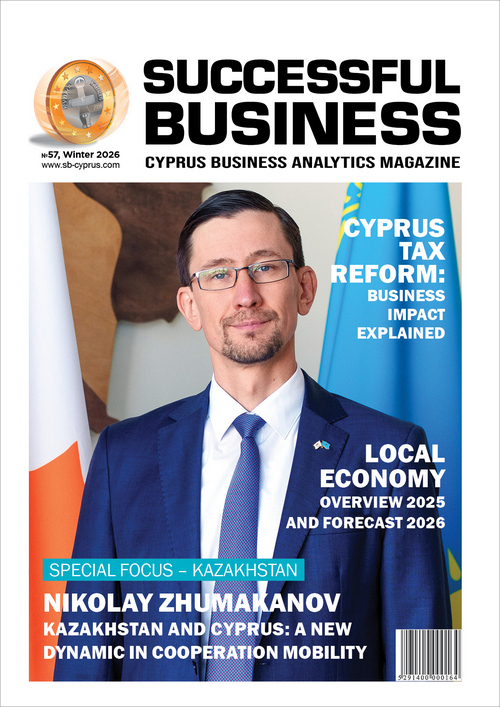
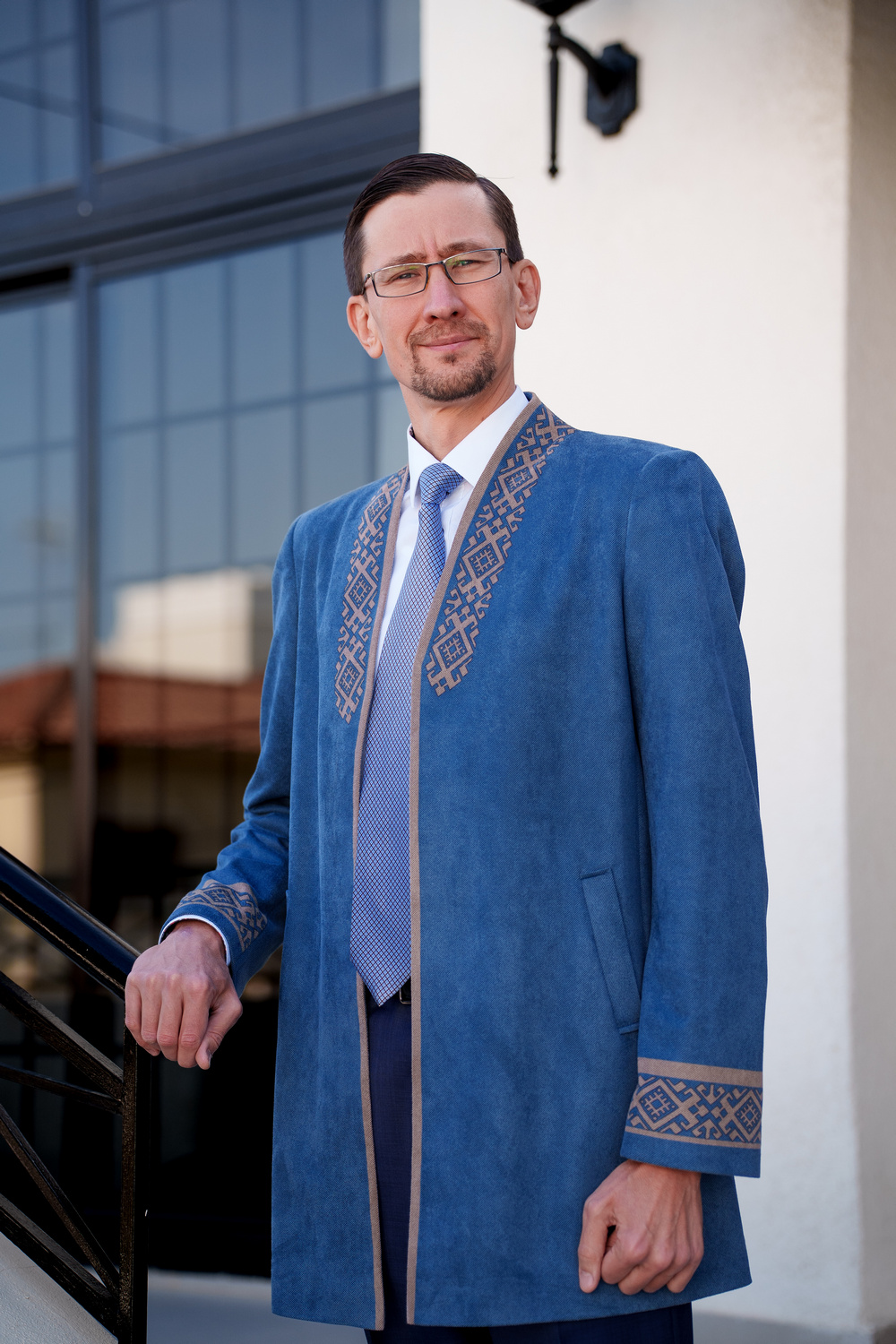
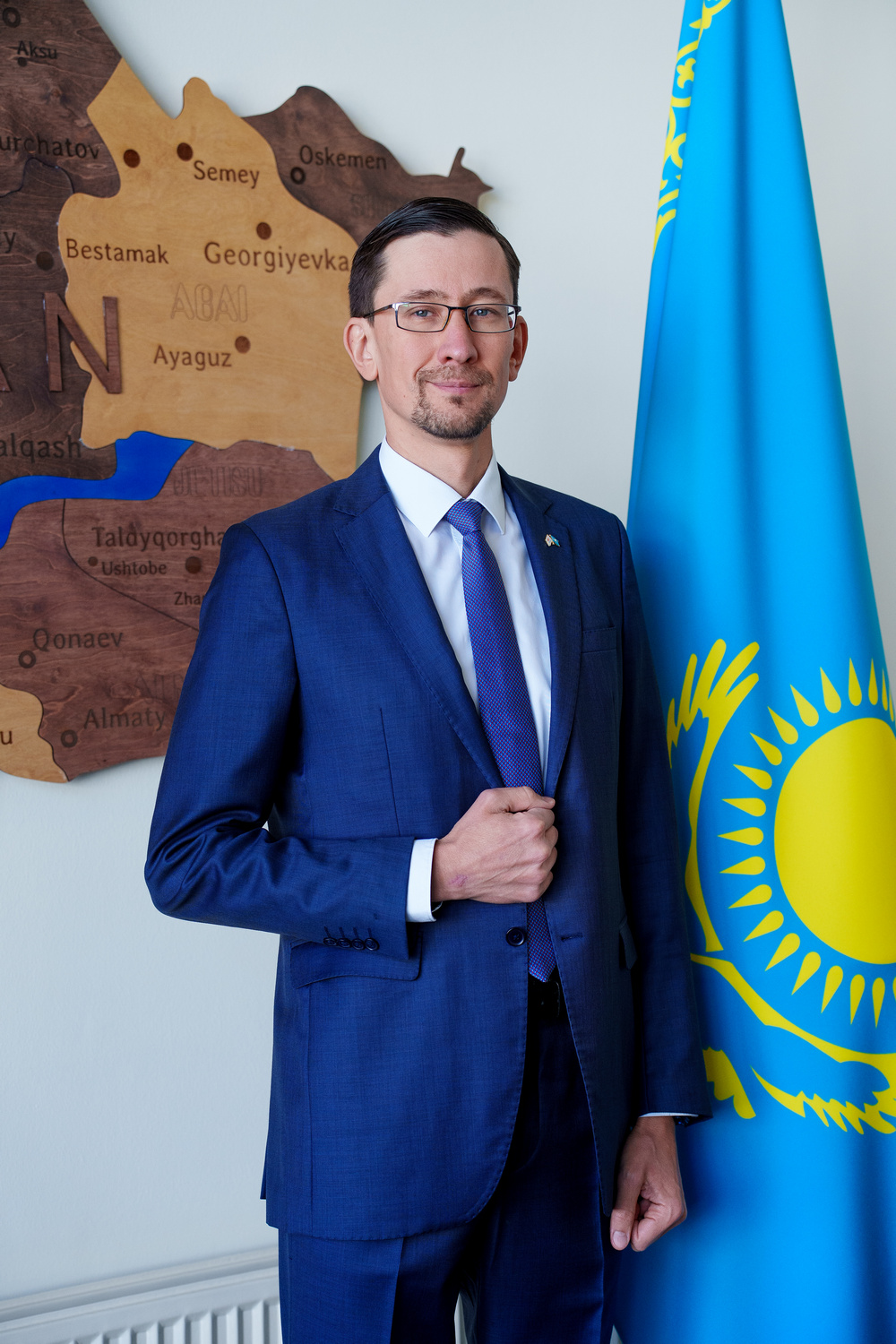
In 2025, Kazakhstan opened its embassy in Cyprus, thereby elevating bilateral relations to an entirely new level. Today, an active political dialogue is developing between the two countries, business cooperation is being strengthened, investment initiatives are taking shape, and the introduction of direct air connectivity is expected. In this interview, the Ambassador of Kazakhstan to the Republic of Cyprus, Nikolay Zhumakanov, explains how foreign investors are protected in Kazakhstan, which Kazakh sectors are the most promising for Cypriot business, what makes the Middle Corridor unique, and why new opportunities for cooperation are now emerging between Astana and Nicosia, and between the private sectors in Kazakhstan and Cyprus.
– Your Excellency, how would you assess the current state of economic relations between Cyprus and Kazakhstan?
– Trade turnover between our countries is currently modest, unstable, and varies from year to year. In certain years, there are one-off deliveries involving significant amounts, but overall trade volumes remain below one million US dollars (USD 625,000). It is therefore difficult to speak of well-developed trade relations at this stage, although clear prospects are evident.
The situation in the investment sphere is quite different. According to statistics since 2005, the total volume of Cypriot investments in Kazakhstan amounts to USD 5.3 billion, while Kazakh investments in Cyprus are approximately USD 2.0 billion. These are substantial figures that reflect the scale of economic interaction. At the same time, Cyprus often acts as an international business hub, with many investments channelled through Cypriot companies that use the island as a convenient jurisdiction for capital structuring.
– Which sectors does Kazakhstan consider the most promising for investors, including Cypriot ones?
– Today, Kazakhstan is interested in attracting investment across virtually all sectors of the economy. We see particular potential in the production of high value-added goods, IT, the financial sector, tourism, transport and logistics solutions, and agriculture.
Infrastructure development is currently progressing actively in Kazakhstan. This includes dry ports on the border with China, new railway crossings, port complexes on the Caspian Sea, and motorways. Of particular importance in this context is the development of the Trans-Caspian International Transport Route, which is taking shape as a key corridor linking China, Central Asia, the Caucasus, and Europe.
Agriculture represents a major standalone sector. The diversity of climatic zones allows for the development of both crop production and livestock farming. Kazakhstan is attractive not only because of its domestic market of 20 million people, but also due to access to significantly larger markets – Russia, Uzbekistan, Kyrgyzstan, and China – including through unified customs and trade regimes within the Eurasian space.
 – How are the interests of foreign investors protected in Kazakhstan? What mechanisms are in place to minimise their risks?
– Kazakhstan has established a comprehensive system for the protection of investors. Its foundation is the Entrepreneurial Code. At present, a draft Agreement on the Mutual Protection of Investments between Cyprus and Kazakhstan is at the approval stage, while a Convention on the Avoidance of Double Taxation is in force.
For large-scale projects, individual investment agreements are signed. If the volume of investment exceeds USD 60 million, the agreement is signed on behalf of the Government, and the state becomes a direct guarantor, ensuring the stability of conditions and commitments. For investments of a smaller scale, there is also a graduated system of incentives.
In addition, a number of specialised institutions operate in Kazakhstan:
– Kazakh Invest acts as a one-stop shop, serving as a single point of entry and contact, and accompanies projects from the initial stage through to the signing of contracts.
– The Foreign Investors’ Council under the President serves as a platform for major strategic projects.
– The Council for Attracting Investors (Investment Headquarters), chaired by the Prime Minister of the Republic of Kazakhstan, together with relevant structures at the ministerial level, provides tailored support for strategic and priority investment projects.
– A new Committee for the Protection of Investors’ Rights under the General Prosecutor’s Office, recently established by presidential instruction, considers disputes or misunderstandings should they arise.
Thus, Kazakhstan has developed a comprehensive system for the protection of investors. It is of fundamental importance to us that investors trust Kazakhstan and have no doubt about the state’s readiness to provide support at all stages of project implementation.
– If we speak about the economic potential of cooperation between the two countries, in which areas do you see the greatest growth?
– Much depends on logistics. With the formation of sustainable transport chains, trade turnover will be able to demonstrate steady growth. In this context, the launch of direct air connectivity, as well as the development of maritime transport schemes, could play a significant role.
At the same time, it is important to take into account the scale of the markets. For Kazakhstan, Cyprus represents a relatively small market, whereas for Cyprus, Kazakhstan, by contrast, is a large and capacious market. Cypriot companies do not always objectively possess production volumes sufficient to simultaneously meet the needs of the domestic market and those of Kazakhstan, with its population of around 20 million people.
At the same time, statistics on investment presence indicate a stable interest on the part of Cypriot business in Kazakhstan. As of 1 December 2025, 421 enterprises with the participation of Cypriot investors were registered in Kazakhstan, of which 344 continue their operational activities. This confirms the long-term and practice-oriented nature of economic cooperation.
Exports of certain Cypriot goods to Kazakhstan, or supplies of Kazakh products to Cyprus, are possible, but are likely to remain niche due to transport costs and production volumes in both countries. For Cypriot business, Kazakhstan may be of interest primarily as a gateway to a vast regional market.
Overall, we are ready to work with companies from all sectors. It is important to present Kazakhstan to them, give them the opportunity to assess its potential, and allow them to choose the most appropriate direction for their activities. The country offers favourable conditions and a transparent organisation of business processes, including the digitalisation of public services, the banking sector, company registration, and reporting.
– One of the key areas of development in the region is the Middle Corridor, also known as the Trans-Caspian route. What are its main features and what makes it unique?
– In essence, the Middle Corridor represents a modern analogue of the Great Silk Road. Historically, this route connected East and West, and today it is once again emerging as one of the most promising transport and logistics corridors. Its key advantage lies in the speed of cargo delivery. While maritime routes from China or Kazakhstan to European Union countries typically take 30–40 days on average, transit via the Middle Corridor takes approximately 10–12 days, even taking into account transshipment across the Caspian and Black Seas.
Over the past 15 years, Kazakhstan has invested substantial resources – around USD 35 billion – in the development of the corridor’s infrastructure, including the construction and modernisation of railways and roads, as well as port infrastructure. This includes the ports of Aktau and Kuryk on the Caspian Sea and a network of dry ports. Until recently, the Middle Corridor was viewed primarily as an alternative route; however, over the past five years, cargo volumes transported along this channel have demonstrated multiple-fold annual growth. As a result, the route has taken shape as one of the key logistics arteries of the region.
– Kazakhstan opened its embassy in Cyprus, stating that this step corresponded to its national interests. Cyprus is a friendly country, and the deepening of bilateral relations is entirely natural. How do you assess the situation and prospects now, one year after the opening of the embassy?
– Kazakhstan pursues a multi-vector foreign policy and seeks to maintain respectful relations with all countries. We enjoy good relations with Russia, China, the states of Central Asia, the European Union, the United States, Turkey, and many other partners.
Kazakhstan and Cyprus share many points of convergence on the international stage. Both countries are active within the framework of the United Nations, often support each other in elections to its bodies, and hold similar positions on key international issues. Last year, the Deputy Prime Minister – Minister of Foreign Affairs of the Republic of Kazakhstan paid an official visit to Cyprus. This visit was the first in the history of bilateral relations and marked an important milestone in the development of political dialogue between our two countries.
Cyprus is a valuable partner within the European Union. Its position and unique understanding of the region are particularly important in light of Cyprus’s current Presidency of the Council of the EU. In turn, Kazakhstan is a member of organisations to which Cyprus does not have direct access, such as the CIS (Commonwealth of Independent States), the SCO (Shanghai Cooperation Organisation), and the Organisation of Turkic States. This creates new channels for dialogue and cooperation.
 – What outcomes does Kazakhstan expect from Cyprus’ Presidency of the Council of the European Union?
– We regard this Presidency as an important opportunity to advance a number of priority initiatives. First and foremost, this concerns the agreement on visa facilitation between Kazakhstan and the European Union. Negotiations are already under way, and we hope that during Cyprus’ Presidency it will be possible to accelerate and, potentially, conclude this process. Visa facilitation would significantly strengthen business ties and people-to-people exchanges.
In addition, we expect further development of cooperation between the EU and Central Asia in the fields of economy, transport, energy, and digitalisation. Cyprus’ Presidency may give fresh momentum to these areas.
– How would you assess Kazakhstan’s relations with the European Union overall?
– Kazakhstan’s relations with the European Union are characterised by stability and substance. The EU remains Kazakhstan’s largest trading partner and the main source of foreign direct investment. In 2024, bilateral trade turnover exceeded USD 49 billion, while the gross inflow of foreign direct investment from EU countries since 2005 has amounted to approximately USD 200.7 billion, which represents around 48% of total FDI inflows.
The Enhanced Partnership and Cooperation Agreement, signed in December 2015, became the first legal instrument of its kind between the EU and a partner in Central Asia. It provides for cooperation across 29 key policy areas, including trade, investment, transport, energy, environment, education, and many others.
We continue to expand this cooperation – from trade and energy to sustainable development and the improvement of the business environment.
– The possibility of introducing direct flights between Kazakhstan and Cyprus is being discussed. At what stage is this issue now?
– The prospects are very encouraging. Both sides are showing strong interest. At present, passengers are required to travel with transfers; however, even under these conditions, the Embassy of Cyprus in Astana issues between 100 and 200 visas per month to Kazakh citizens. This clearly indicates genuine demand.
Direct flights would significantly simplify travel, increase tourist flows, and be beneficial for business. Kazakhstan, with a population of 20 million and a sustained interest in beach holidays, could become a new source of tourists for Cyprus. At the same time, Cypriot travellers would be able to discover Kazakhstan both as a summer and a winter destination.
– What tourism opportunities can Kazakhstan offer to travellers from Cyprus?
– Tourists have access to a wide range of attractions. In particular, there are ski resorts, including Shymbulak, located near Almaty and regarded as one of the leading ski resorts in the region. During the summer season, there are numerous hiking routes, mountain lakes, and natural landmarks, including Charyn Canyon and Lakes Kolsai and Kaindy.
Northern Kazakhstan is known for the Burabay resort area, with its forests and lakes. The eastern part of the country is characterised by picturesque mountain and taiga landscapes, while western Kazakhstan stands out for the unique scenery of Mangystau, including the Ustyurt Plateau and the Bozzhyra tract, renowned for its chalk formations and striking natural relief.
Alongside its natural attractions, Kazakhstan also boasts a rich cultural and historical heritage. A special place is occupied by Turkestan, home to the Mausoleum of Khoja Ahmed Yasawi, a UNESCO World Heritage Site, as well as other ancient cities and monuments of the Great Silk Road.
Those interested in contemporary architecture and urban development will find the capital, Astana, particularly appealing, with its futuristic appearance and bold architectural solutions.
We intend to actively promote tourist routes, develop cooperation with tour operators, and organise familiarisation trips for Cypriot agencies.
Interview by Natalia Kardash
Nikolay Zhumakanov is a career diplomat, he has extensive experience in international law, European affairs, and multilateral diplomacy.
Over the years, he has served in senior roles at the Ministry of Foreign Affairs of Kazakhstan, including as Director of the International Law Department, and has worked at the Embassy of Kazakhstan in Belgium, closely engaging with EU institutions. His professional background combines public service and corporate governance, providing a strong foundation for advancing Kazakhstan–Cyprus political, legal, and economic cooperation. Since January 2025, he has been Ambassador Extraordinary and Plenipotentiary of Kazakhstan to Cyprus.

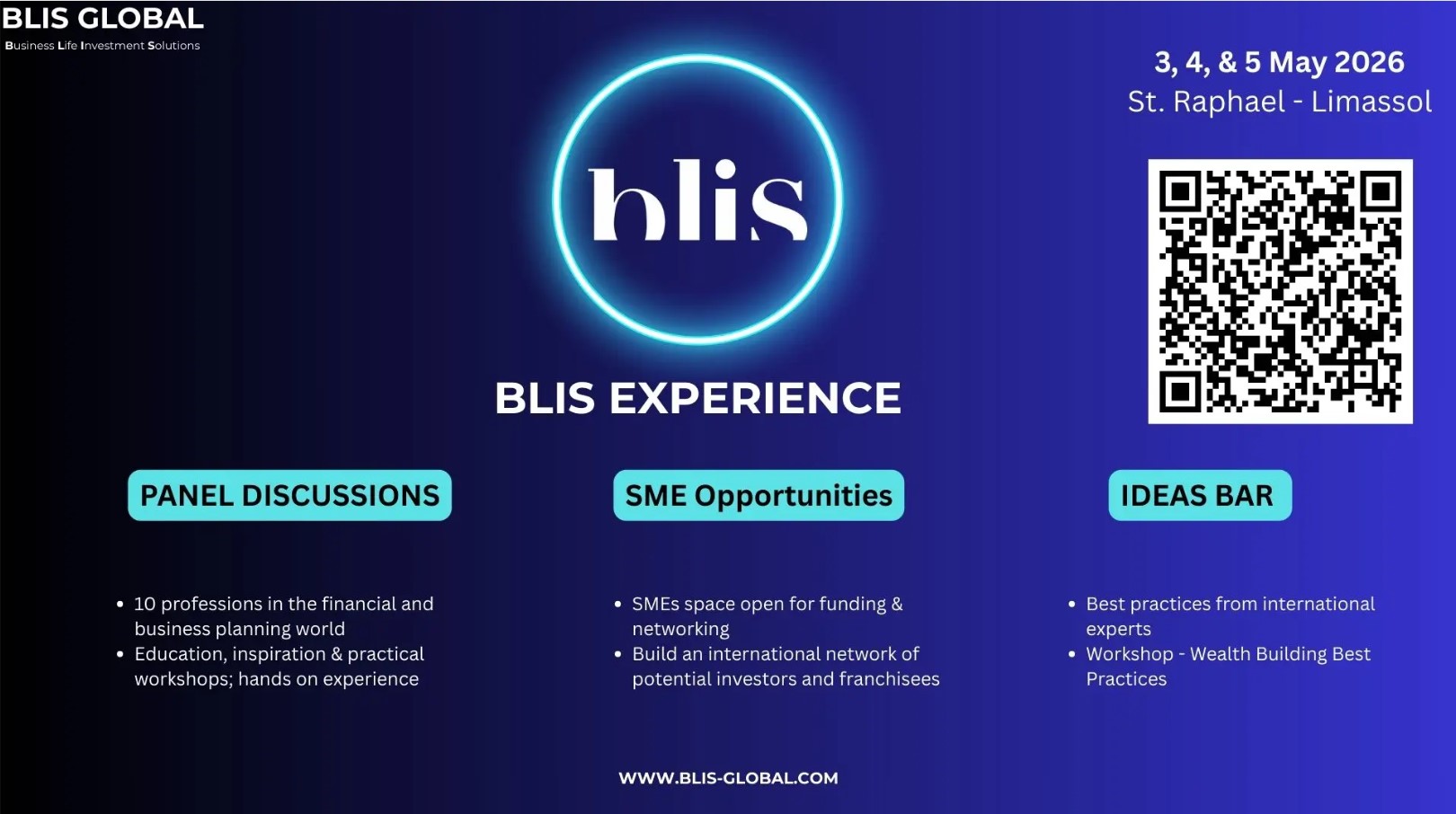
The BLIS Global Experience is a three-day international gathering designed to foster collaboration, share best practices, and elevate professional standards across key financial and business planning sectors, taking place 3–5 May 2026 at the St. Raphael Resort in Limassol, Cyprus.
BLIS Global Experience brings together executives, senior experts, decision-makers and international specialists from ten core professional fields – including legal and corporate services, accounting, investment and wealth management, insurance, fintech and technology, banking and financial institutions, consulting and training firms, certification providers, and real estate – for an intensive program of panels, practical workshops and networking.
The program is structured to deliver both strategic insights and actionable knowledge over three days:
Day 1 – Sunday, 3 May 2026 (Welcome start: 16:00)
16:00 – ‘Sunday is not another day of the week’ – Kenyon Salo
16:40–17:00 – Meet the duo – Naji A. Haddad & Jade W. Dagher: why BLIS Global is “not an event” but a community and an ecosystem
17:00–18:30 – In-depth session: Why financial planning is not a luxury, but a must to build your legacy
Panel discussion with top experts representing the professions
18:30 – Q&A with the audience
Day 2 – Monday, 4 May 2026
10:00 – Session 1: Diversify income streams
1. Why diversify
2. Where to diversify
3. When is it too much to keep control?
12:00 – Session 2: Managing cash flow on personal and business levels
1. Difference between income statement and cash flow statement
2. Tips to reduce outflows without affecting the standard of living and business positioning
3. Reducing bad credit while maintaining good credit history
14:30 – Session 3: Protecting your income and cash flow against your direct, indirect and hidden competitors
1. Dealing with inflation and crisis
2. Managing business direct and indirect competition
3. Protecting income from unforeseen risks: death, disability and critical illnesses
16:00 – Session 4: Are savings really saving you?
1. Short-term savings: why, how much and where to deposit safely
2. Medium-term savings: the fuel to achieve bigger goals
3. Long-term: people are living longer — are you prepared?
Day 3 – Tuesday, 5 May 2026
10:00 – Session 5: Where to invest in the modern world?
1. Stocks, bonds, funds and financial solutions: roadmap for accessing mid-market opportunities
2. Real estate becomes more accessible through innovative solutions
3. Business opportunities “floating around you”: how to grab them on time
12:00 – Session 6: Financial freedom is not for everyone; it is for those who have a vision, a plan, and the discipline
1. What is financial freedom and how far are you from achieving it?
2. How to build a legacy and make proper succession and estate planning?
3. Succession planning case study spanning three generations (so far)
14:30 – Session 7: Why Cyprus, why now?
1. Strategic location and core benefits
2. Strategic alliances and double tax treaties
3. Successful cases from different nationalities
16:00 – Session 8: The VIP checklist to stand out and stand still
1. Data protection, cybersecurity and hidden risks
2. Integrating technology and AI to plan ahead and achieve more in less time
3. The era of specialisation and proper certification to elevate standards and protect consumers from misleading “gurus”
In addition to the learning agenda, participants can expect an exhibition area for SMEs and sponsors, an Ideas Bar with special guest speakers, and hands-on workshops – including a Wealth Building Best Practices workshop led by industry leaders.
Prospective attendees can register online through the official event page, choosing from standard tickets or additional options that include gala dinners and full access to all sessions. Early booking is encouraged as seats are limited.
For more details and registration, visit the BLIS Global Experience event page.
Materials are provided by The BLIS Global Experience

Количество переведенных мошенникам средств растет: на Кипре киберпреступники украли 4 миллиона евро за шесть месяцев. Практически все случаи относятся к онлайн-платежам при помощи банковских карт. Более половины жертв сами дают согласие на перевод денег мошенникам. Почему так происходит и что предполагают делать банки?
Средняя сумма кражи на один перевод на Кипре является одной из самых высоких в Европе – 5472 евро против 2102 евро в среднем по еврозоне. Об этом сообщается в отчете «Статистика случаев мошенничества с платежами» Центрального банка Кипра.
Цифровая трансформация Кипра превращает жителей острова в «золотую жилу» для организованной киберпреступности, и официальные данные Центробанка вызывают серьезную обеспокоенность. За первые 180 дней 2025 года в цифровом виде было потеряно 4 миллиона евро.
Потери выросли на 66%
Хотя граждане все больше доверяют электронным деньгам, а банки принимают все необходимые меры защиты, мошенникам удается взламывать «защиту» системы с пугающей скоростью. Это видно по 66-процентному росту финансовых потерь в первой половине 2025 года. Данные показывают, что это не единичные случаи, а методичная атака на финансы граждан.
В отчете ЦБ Кипра говорится о 16 000 подтвержденных случаев, что на 30 % больше по сравнению с аналогичным периодом 2024 года. В основном злоумышленники сосредоточены на платежных картах, на которые приходится 92 % атак. Хотя киприоты используют карты в обычных магазинах в 2,5 раза чаще, чем онлайн, 97 % случаев мошенничества происходит именно в сети.
Как действуют мошенники?
Кража данных остается основной лазейкой, на которую приходится почти весь ущерб, связанный с картами, при этом кредитные карты представляют более высокий уровень риска (0,017 %) по сравнению с дебетовыми картами (0,012 %).
Однако реальный ущерб наносится посредством кредитных переводов. Хотя количество таких инцидентов не слишком велико (400), финансовый ущерб непропорционально высок, составляя 54 % от общей суммы мошенничества. Средняя сумма перевода мошенникам на Кипре достигает 5472 евро, в то время как этот же показатель в Европе составляет 2102 евро.
Метод «социальной инженерии» набирает обороты: 59 % жертв под влиянием мошенников дают одобрение на перевод денег, становясь жертвами телефонных звонков или сообщений, в которых преступники выдают себя за сотрудников банка.
Помимо этого, в отчете отмечается тревожная стагнация эффективности традиционных мер контроля. Мошенничество с прямыми дебетовыми платежами почти полностью обусловлено несанкционированными транзакциями. Злоумышленники получают доступ к конфиденциальным банковским данным и настраивают автоматические платежи без малейших подозрений со стороны владельца счета. Кроме того, количество случаев мошенничества с банковскими картами внутри страны почти удвоилось, что свидетельствует о том, что каждая атака теперь стала более целенаправленной и более выгодной для преступников.
Спасают только усиленные проверки
Риск резко возрастает при трансграничных транзакциях, где вероятность стать жертвой в 24 раза выше по сравнению с внутренними платежами. Отсутствие единых международных систем безопасности создает «черные дыры», которые злоумышленники используют для перенаправления украденных средств за пределы ЕС. Единственным эффективным барьером остается усиленная аутентификация клиентов (SCA), поскольку защищенные транзакции представляют втрое меньший риск.
Власти ожидают, что с полным внедрением системы проверки получателя платежа (Verification of Payee) удастся решительно сократить число такого рода краж. Эта мера обязывает банки подтверждать совпадение имени и IBAN перед каждой оплатой, закрывая лазейку для мошенничества с использованием методов социальной инженерии.
Текст подготовлен по материалам Fast Forward.
Читайте также:
Кибератаки затронули почти половину компаний
Кипр вразрез с трендом: использование облачных технологий снизилось

Согласно свежим данным Подминистерства туризма, количество отелей и доступных мест размещения туристов в 2025 году увеличилось по сравнению с прошлым годом. В ближайшие месяцы ожидается дальнейший рост, поскольку несколько новых гостиниц готовятся к открытию. Приводим статистику по категориям и регионам.
По данным списков от 29 января 2026 г., на территории Кипра действуют 280 отелей общей вместимостью 32 245 номеров и 63 782 места. Для сравнения, в феврале 2025 году на острове работали 274 отеля вместимостью 31 843 номера и 62 959 мест.
Подавляющее большинство гостиниц расположено в регионе Фамагусты, а именно в Айя-Напе и Паралимни. Стоит заметить, что согласно данным Подминистерства, большинство отелей еще не получили обновленную лицензию в соответствии с законодательством, принятым в 2019 году.
Распределение по категориям и регионам
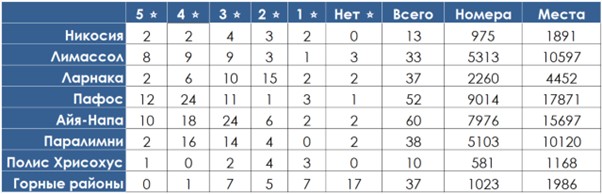
Согласно обновленным спискам, 37 отелей являются пятизвездочными и 76 – четырехзвездочными. Кроме того, 81 гостиница имеет три звезды, еще 41 – две и 20 – одну, а семь не имеют звезд.
Оставшиеся 18 объектов размещения туристов не отнесены ни к одной категории, потому что они еще не прошли проверку Подминистерства туризма и компетентных служб.
Что касается географического распределения отелей, анализ данных показывает, что большинство из них расположены в Айя-Напе, тогда как наименьшее количество – в Полисе Хрисохусе.
Ниже приводится таблица по регионам.
Лицензии: новые продления и отсрочки
23 января на пленарном заседании парламента был принят законопроект, предусматривающий возможность выдачи специальной лицензии на деятельность для определенных отелей и объектов размещения туристов. Речь идет о тех заведениях, которые в силу разных причин не могут выполнить обязательства для выдачи лицензии, предусмотренные положениями действующего законодательства от 2019 года.
Новые правила были признаны необходимыми в связи с тем, что на сегодняшний день лишь очень немногие гостиницы и объекты размещения туристов выполнили действующие положения законодательства 2019 года. В основном, причиной для этого стала невозможность получить необходимые сертификаты и документы. Срок выполнения требований закона истек 31 декабря 2025 года. Фактически невыполнение должно привести к закрытию большого количества гостиниц и объектов размещения туристов, но на практике это недопустимо, так как окажет нежелательное воздействие на экономику.
Законопроект продлевает срок получения лицензии на деятельность для гостиниц и объектов размещения туристов до 30 ноября 2026 года.
Другие сроки, предусмотренные в законе действия разрешений также продлены на один год, чтобы нелицензированные отели и туристические объекты могли успеть получить лицензию на деятельность.
Текст подготовлен по материалам Cyprus Business News.
Читайте также:

В ходе масштабной налоговой реформы на Кипре существенно повысились административные штрафы. В их числе и штраф за отказ бизнеса принимать оплату банковскими картами – он вырос до 6 000 евро. Новые меры, призванные укрепить фискальную дисциплину и стимулировать безналичные расчёты, затрагивают широкий круг предприятий и направлены на борьбу с уклонением от налогов.
Налоговая реформа, вступившая в силу с 1 января 2026 года, предусматривает не только изменения ставок и расширение налоговых льгот, но и усиление санкций за нарушения налогового законодательства. Одно из наиболее заметных нововведений – значительное увеличение административного штрафа для предприятий, которые не обеспечивают возможность оплаты товаров и услуг банковскими картами. Максимальный штраф за такую практику повысился до 6 000 евро, тогда как ранее он составлял 4 000 евро, а в момент первоначального введения декрета – 2 000 евро.
Обязанность принимать платежи с помощью карт была введена на Кипре ещё в 2021 году в рамках усилий по снижению теневой экономической активности и укреплению прозрачности финансовых операций. Соответствующий административный декрет охватывает сферы розничной торговли, услуг, общественного питания и другие сегменты, где расчёты наличными ранее могли затруднять контроль за доходами бизнеса.
Рост санкций отражает стремление властей повысить уровень соблюдения налогового законодательства и минимизировать случаи уклонения от уплаты налогов. Помимо увеличения штрафов за отказ принимать карты, налоговая реформа предусматривает также повышение финансовых санкций за непредставление деклараций, несвоевременную подачу отчётности и нарушение других обязанностей, установленных законом о сборе и подтверждении налогов.
Эксперты отмечают, что ужесточение наказаний должно стимулировать предпринимателей адаптироваться к обязательствам электронной коммерции и безналичных расчётов, что в долгосрочной перспективе может укрепить налоговую базу и повысить прозрачность рынка.
Текст подготовлен по материалам Phileleftheros и gov.cy.
Читайте также:

As we step into the new year, businesses across Europe are looking for ways to stay competitive, streamline operations and achieve sustained growth. Whether you are running a startup or managing an established enterprise, a clear and actionable checklist helps ensure your business is set up for success. Below is a practical guide to reviewing your processes, strategy and resources to make 2026 a strong and focused year.
REVISIT YOUR STRATEGIC PLAN
A new year is the right moment to reassess your business strategy.
Set SMART Goals
Ensure your objectives are Specific, Measurable, Achievable, Relevant and Time-bound. For example, rather than “increase revenue”, define a clear target such as “achieve a 20% revenue increase by Q3 2026”.
Analyse Market Trends
Sustainability, digital transformation and AI integration remain key themes across Europe. Aligning your strategy with these trends helps maintain relevance and competitiveness.
Assess Competitors
Conduct a SWOT analysis (Strengths, Weaknesses, Opportunities and Threats) to understand your market position and identify areas for improvement.
AUDIT INTERNAL PROCESSES
Efficient operations are the backbone of sustainable growth.
Technology Check
Review whether you are using the right tools. AI-driven analytics, automation and cloud-based collaboration platforms can significantly improve productivity.
Streamline Workflows
Identify bottlenecks and eliminate inefficiencies. Lean or Six Sigma methodologies may help optimise processes.
Financial Health
Review cash flow, budgets and expenses. Building a financial buffer improves resilience against unexpected costs.
BUILD THE RIGHT TEAM
People remain at the centre of business success.
Evaluate Current Talent
Identify skill gaps and invest in targeted training and development.
Hire Strategically
Clear job descriptions, growth opportunities, flexible working arrangements and a strong company culture are increasingly important in Europe’s competitive labour market.
Invest in Employee Well-being
Mental health, work-life balance and flexible schedules directly affect productivity and retention.
Need support building the right team? GRS Recruitment specialises in matching businesses with top professionals across industries. From permanent hires to temporary support, our recruiters help companies secure the talent they need for 2026.
ENHANCE CUSTOMER EXPERIENCE
Customer satisfaction underpins long-term success.
Gather Feedback
Use surveys, social media and direct communication to understand customer needs.
Personalise Experiences
Leverage customer data to tailor marketing, services and product recommendations.
Improve Support
Responsive service, self-service portals and chatbots help resolve issues efficiently.
FOCUS ON SUSTAINABILITY
Sustainability is no longer optional. Consumers, investors and regulators increasingly expect responsible practices.
Green Operations
Reduce waste, adopt energy-efficient solutions and use sustainable materials where possible.
Communicate Initiatives
Transparency about sustainability efforts builds trust with customers and stakeholders.
Align with Regulations
Stay informed about EU sustainability directives and ensure compliance.
DIGITAL TRANSFORMATION
Digital tools continue to reshape business operations and customer interaction.
Online Presence
A modern, mobile-friendly and SEO-optimised website is essential.
Social Media Strategy
Platforms such as LinkedIn, Instagram and TikTok play a key role in brand visibility across Europe.
Cybersecurity
With the rise of phishing and online fraud, strong security protocols, employee training and regular audits are critical.
MONITOR INDUSTRY TRENDS
Continuous learning helps businesses stay ahead.
Artificial intelligence, hybrid work models and e-commerce growth remain key developments. Tracking data and emerging trends allows companies to identify opportunities and adapt quickly.
PREPARE FOR THE UNEXPECTED
Uncertainty is part of today’s business environment.
Risk Management
Identify potential risks and develop mitigation strategies.
Crisis Communication
Ensure clear internal and external communication plans are in place.
Agility
Encourage a culture that embraces change and innovation.
By reviewing these areas, businesses can strengthen their foundations, respond to change and pursue sustainable growth in the year ahead.
Is your team ready for 2026? Partner with GRS Recruitment to find the talent that will drive your business forward.

Materials are provided by GRS Recruitment

Longevity has become one of the most discussed topics in modern healthcare. Wearables, blood tests, genetic panels and “biohacking” tools promise control over health and ageing. Yet many people feel they are not moving forward. According to George Xydas, CEO of Swissmed Health, the problem is not lack of information but the absence of a clear, structured path from data to action.
– Longevity is everywhere today. Why do so many people still feel stuck?
Because we have more health data than ever before, but far less clarity about decisions. People collect numbers, reports and dashboards, yet no one helps them translate this information into a sequenced plan. Information itself is not the solution. Execution is.
– Where does the longevity journey usually break down?
Very often at the testing stage. People do extensive diagnostics, receive results, and then hear vague advice like “optimise your lifestyle”. Longevity turns into a folder full of PDFs instead of a process.
– How does Swissmed Health convert diagnostics into real outcomes?
We use a structured Health Optimisation Process. First, we define the target – energy, sleep, cognition, metabolic health, cardiovascular resilience or risk reduction. Second, we map the constraints: inflammation, nutrient deficiencies, hormonal imbalance, gut integrity, toxic exposures, chronic infections, autonomic stress or metabolic inflexibility. Third, we build a sequenced protocol: remove what is draining resources, restore what is missing, train what is weak. Then we re-test. If markers do not move, the plan changes.
– Many readers hear about tools like IHHT or peptides. How should they view them?
These tools can be useful, but only when indication-driven and medically supervised. IHHT can support recovery and resilience when used correctly. Peptides are not shortcuts. When appropriate, they belong in monitored protocols with clear goals and measurable endpoints. Hype is easy. Measured progress is rare.
– What is the next practical step for someone who wants to act without being overwhelmed?
Think in 90-day cycles. Choose one outcome, not ten. Track a small set of markers linked directly to that outcome. Commit to a 12-week intervention and set a re-test date in advance. Before starting, ask three questions: What is my main constraint? What will we change first? How will we prove it worked? If a plan cannot answer these clearly, it is not personalised – it is generic.
Swissmed Health
Phone: 80070900
www.swissmedhealth.com

Materials are provided by Swissmed Health

Private label investment funds are becoming increasingly popular among ultra-high-net-worth individuals (UHNWIs) and their family offices.
1. Tailored Investment Strategy
These bespoke funds reflect the family’s unique philosophy, accommodating both traditional assets and harder-to-access categories—such as art, precious metals, crypto, venture capital, and digital assets—that standard funds typically exclude.
2. Institutional-Grade Infrastructure
Families gain access to the same professional ecosystem used by large institutions —managers, custodians, administrators — enhancing transparency, governance, and risk management.
3. Cost Efficiency at Scale
For portfolios above €30M, a private fund is often more economical than multiple segregated accounts. Consolidation reduces custody, trading, reporting, and compliance costs.
4. Privacy and Asset Protection
Assets held within the fund remain out of public view and are safeguarded under the fund’s name, helping ring-fence them from personal or business risks.
5. Control with Flexibility
Families retain control over key decisions while outsourcing day-to-day operations.
6. Tax and Regulatory Advantages
With appropriate domiciliation (e.g., Luxembourg, Malta, Cyprus, Cayman Islands), private label funds can offer attractive tax treatment.
7. Simplified Succession Planning
Passing fund shares to heirs is far simpler than transferring individual assets. Family trusts or foundations can also be integrated.
8. Branding and Legacy
For many families, the fund becomes part of their identity—reinforcing reputation, values, and multigenerational continuity.
9. Attracting Talent and Partners
A regulated fund improves access to exclusive deals, facilitates co-investments, and provides a clear career path for key family office employees.
Leon MFO Investments Ltd, a regulated fund manager (AIFM), guides clients through the establishment and management of bespoke private label funds. Our team combines expertise in portfolio management and risk management with state-of-the-art software systems, personalized support and a strong network of service providers.
LEON MFO INVESTMENTS LTD
Noble Center, Spyrou Kyprianou Ave. 47, Office 202, Mesa Geitonia 4003, Limassol, Cyprus
www.leoninvestments.com.cy
Materials are provided by Leon MFO Investments Ltd

Кипр привлек рекордный спрос в размере 16,5 млрд евро в рамках выпуска 10-летних облигаций всего за один день. Изначальная сумма составляла 1 млрд евро. Облигации позволят лучше обслуживать госбюджет. Что известно о финансовых деталях события?
20 января Министерство финансов объявило, что Республика Кипр назначила Barclays, J.P. Morgan, Morgan Stanley и Société Générale ведущими менеджерами по выпуску 10-летних еврооблигаций (Reg S) со сроком погашения в январе 2036 года.
Сделка была осуществлена 21 января в зарегистрированной форме в рамках программы EMTN. Bank of Cyprus также примет участие в качестве менеджера сделки.
Кипр не вышел на рынки в 2025 году, хотя это изначально планировалось. В 2026 году выход на рынки был неизбежен, поскольку, помимо потребностей в финансировании, которые будут больше, чем в прошлом году, Кипр стремится поддерживать контакты с инвестиционным сообществом. Одновременно страна старается извлечь выгоду из позитивных рейтингов кредитных рейтинговых агентств, положительного бюджетного баланса и хорошего темпа роста экономики.
Служба управления государственным долгом сообщает, что потребности в финансировании, по прогнозам, приблизятся к 2,6% от ВВП в 2026 году, 3,2% в 2027 году и 4,6% в 2028 году. Согласно валовым потребностям центрального правительства в финансировании, сумма долга к погашению в 2026 году достигнет 2,29 млрд евро. Поставлена цель, согласно которой в среднем 75% валовых потребностей в финансировании на период 2026-2028 годов будут поступать из внешних источников, большая часть которых будет связана с выпуском облигаций Европейского фонда инвестиций (EMTN) на международном рынке.
Выпуск новых 10-летних облигаций Республики Кипр на сумму 1 млрд евро был успешно завершен в среду, 21 января. Интерес инвесторов возрос до рекордного уровня, а общая сумма заявок достигла 16,5 млрд евро, что является самой высокой зафиксированной суммой для этого рода сделок на Кипре.
«Шестнадцатикратное увеличение переподписки на выпуск облигаций Республики Кипр является сильным вотумом доверия международных рынков к кипрской экономике и нашей стране», – заявил президент Никос Христодулидис в сообщении в платформе X.
Согласно пресс-релизу Министерства финансов, окончательная доходность была установлена на уровне 3,25%, а спред по отношению к средним ставкам свопов сократился до 44 базисных пунктов, что является историческим минимумом и подтверждает доверие рынков к кипрской экономике.
Следует отметить, что международная экономическая и политическая обстановка вновь обременена торговой напряженностью в связи с амбициями США по аннексии Гренландии. Службы управления государственным долгом отмечает, что на 2026-2028 годы сохраняются геополитические риски: продолжение российско-украинского конфликта и нестабильная обстановка на Ближнем Востоке, а также потенциальное влияние новой тарифной политики США на экономическую активность Кипра и бремя государственных расходов, связанное с последствиями изменения климата.
Любые неблагоприятные фискальные условия могут привести к замедлению темпов сокращения государственного долга по отношению к ВВП, тем самым обратив вспять благоприятные тенденции к дальнейшему повышению кредитного рейтинга кипрской экономики. В свою очередь любое негативное изменение кредитного рейтинга повлияет на стоимость рефинансирования новых заимствований и, в целом, на среднюю стоимость обслуживания государственного долга.
Текст подготовлен по материалам Phileleftheros и Cyprus Business News.
Читайте также: