

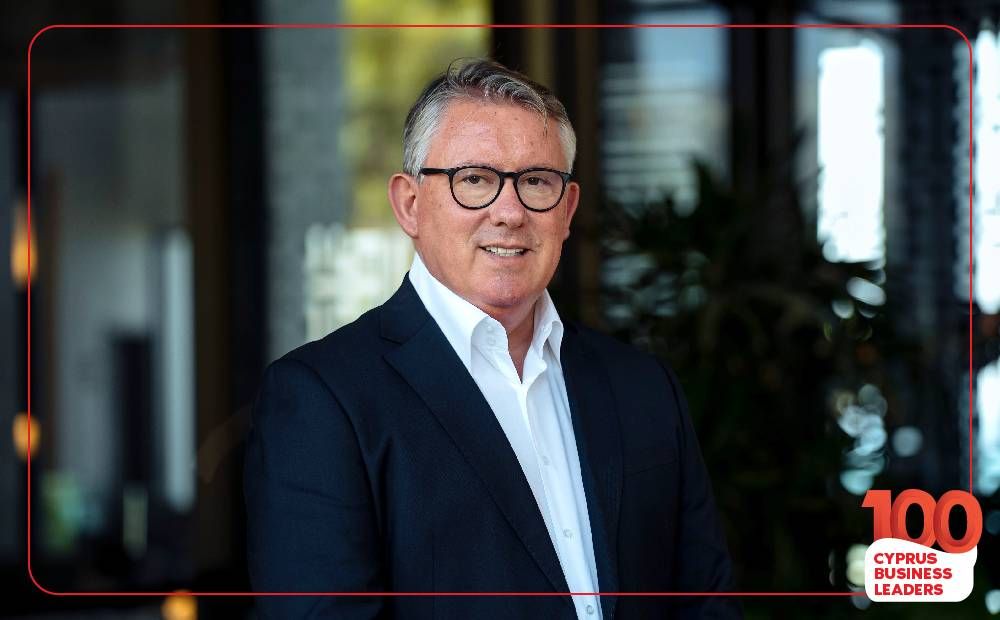
With a career spanning over three decades and multiple countries, Luciano Sozzo has seen hospitality from every angle – from his early days as a 16 year old waiter in Italy to leading iconic luxury hotels across Europe and Central Asia. Today, as Chief Operating Officer of Stademos Hotels and Acting General Manager of AMARA Hotel, he brings a leadership style shaped by experience, empathy, and a deep belief in the power of human connection.
How has your definition of leadership evolved over decades in hospitality, and which moments most shaped your approach?
Leadership has changed dramatically over the past 20 years. In the early days of my career, general managers were seen almost like untouchable figures – gods in their own sanctum. The Mediterranean style of leadership was hierarchical and distant. But as international brands brought fresh approaches, a new culture emerged: one focused on connection, recognition, and teamwork. That shift resonated deeply with me. Today, I believe a leader must be visible, approachable, and genuinely invested in people’s lives – not only their work. I’ve seen first-hand how much stronger teams become when they feel seen, supported, and part of a shared journey.
Looking back over your career, what has been the most surprising lesson about yourself as a leader – one you couldn’t have imagined at the very beginning?
When I started out as a 16-year-old waiter, I could never have imagined the level of resilience and adaptability leadership would demand. One lesson that surprised me is how much emotional intelligence matters. Early on, I thought technical skill and hard work were enough. But over time, I realised that inspiring others requires empathy, patience and courage – even in the toughest situations.
What have been the toughest leadership challenges in your career journey, and how did you navigate them to emerge stronger?
One of the most difficult chapters was during my time in Kazakhstan. I encountered a team with entrenched habits and little motivation to embrace change. After months of trying to shift the culture, I made the tough decision to step away. Shortly after, I joined Marriott to open The St. Regis Astana from scratch, hiring 264 people and building a culture from the ground up. It was a reminder that sometimes strength means knowing when to fight for change – and when to redirect your energy towards opportunities where you can truly make an impact.
In leading diverse teams across countries, what have you found to be the key to inspiring people and aligning them behind a shared vision?
Respect is at the heart of it. People need to feel that you understand them, not just as employees but as individuals. Trust comes when teams see that their leader knows what they are doing, cares about their challenges, and delivers on their word. Leadership isn’t about quoting slogans from a book or hiding behind office doors. It’s about being present, listening, and leading with authenticity.
Ambition and humility are often seen as opposing forces. How have you balanced striving for excellence with staying open to learning?
In every new country and culture, I’ve learned to listen first. I may arrive with my own ideas and ambitions, but they only succeed if I’m open to understanding the local context, the people, and their expectations. Some leaders take a rigid approach, dictating their way forward. I prefer to adapt – to bring my vision but allow it to evolve with the environment. That balance between confidence and curiosity has been essential.
What patterns or principles have you discovered about building lasting relationships and trust in the hospitality world?
Patience and respect are the foundations. To build trust, you must lead by example and remain consistent in your actions. Teams and guests alike respond to sincerity. I also encourage seeing problems from multiple perspectives – it’s a mindset that fosters understanding and stronger connections.
As you reflect on your journey so far, what kind of legacy do you want to leave as a leader and mentor?
I hope to be remembered as a leader who truly cared. Even years after I’ve left a hotel, I still receive messages from former team members and guests saying they miss the way we made them feel – not just as employees or customers, but as people. For me, a hotel is like a home, and every guest is welcomed as a friend. If my legacy is one of warmth, integrity and elevating those around me, then I’ll consider it a life well spent.
Interview by Kateryna Bila
#SB100Leaders