


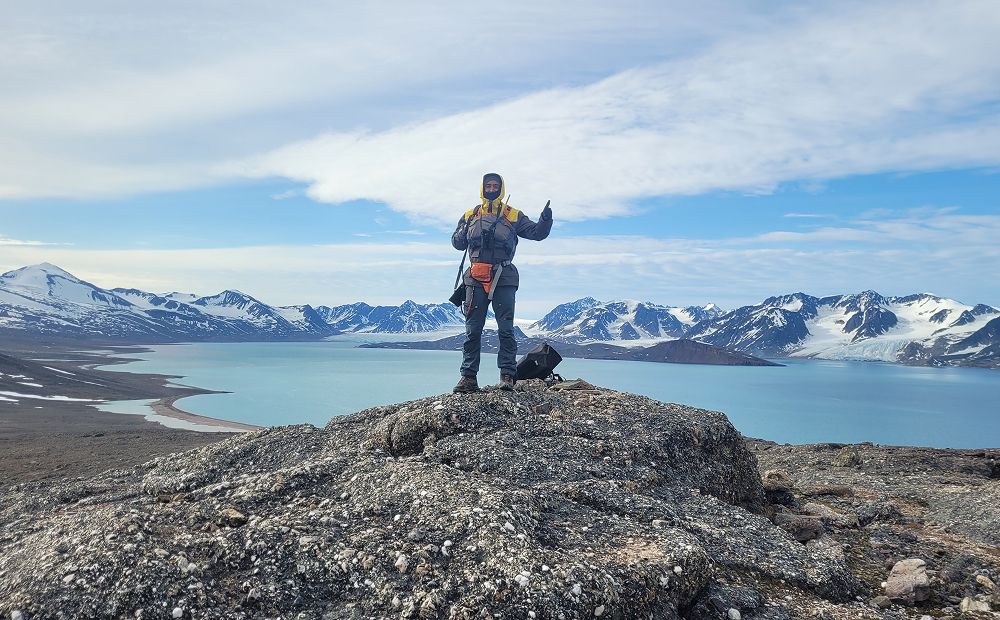
Have you ever dreamed of finding yourself in a place where time loses its meaning and you feel like a tiny part of grand and harsh nature? The polar regions of our planet are exactly such a place. This article opens a series about the journey of the Editor-in-Chief of Successful Business Magazine Natalia Kardash to the Arctic. But you may ask: how is the Arctic connected to Cyprus?
Quite simply: a company that owns three vessels built specifically for expeditions to polar regions is registered here. This summer, I was invited aboard Swan Hellenic’s expedition cruise ship SH Diana. I want to tell you how everything is organised, because polar cruises are very different from ordinary ones.
The region – and indeed the entire organisation of an Arctic expedition – impressed me so much that I ended up doing far more than I had intended. I prepared a series of interviews, explored the history of the Arctic, learned about the lives of polar birds, and delved into the specifics of expedition cruising.
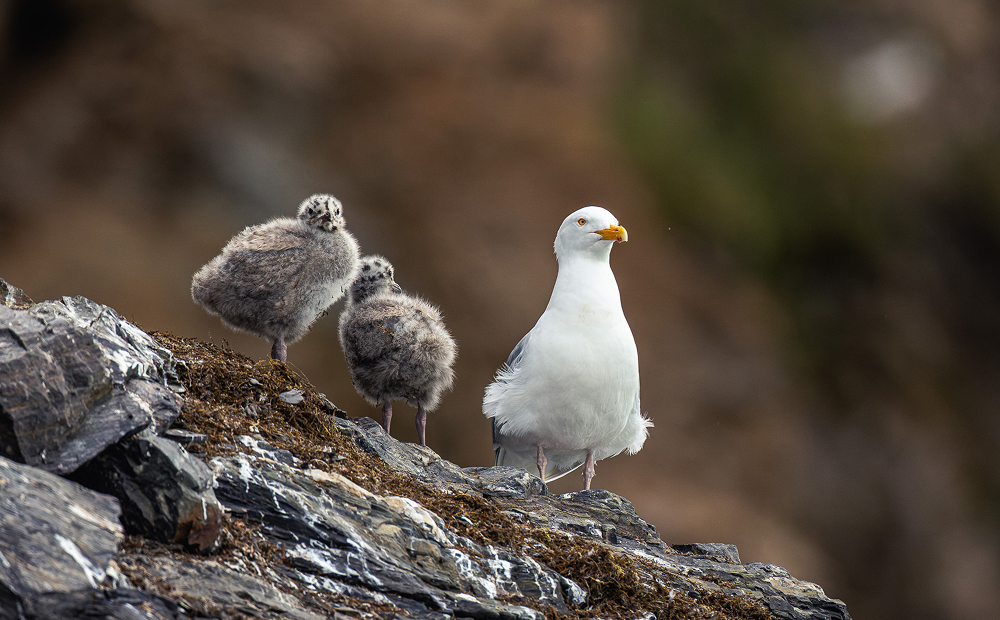
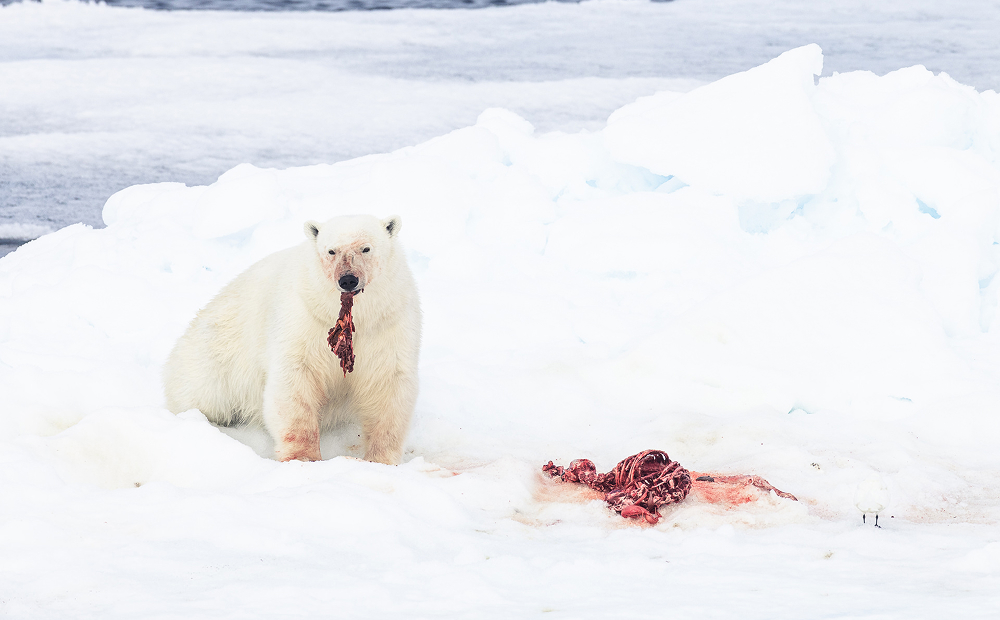
In August, there is not much news in Cyprus, so we will be entertaining you with stories and breathtaking Arctic landscapes. I was also sent professional photographs of the birds and animals we encountered (taken with powerful zoom lenses, sometimes with drones, sometimes from the shore – very different from my own amateur shots taken on a phone). I will be happy to share them. And the four photos below are mine – no filters, no special equipment, just quick snapshots to keep the memory of the beauty that surrounded me.
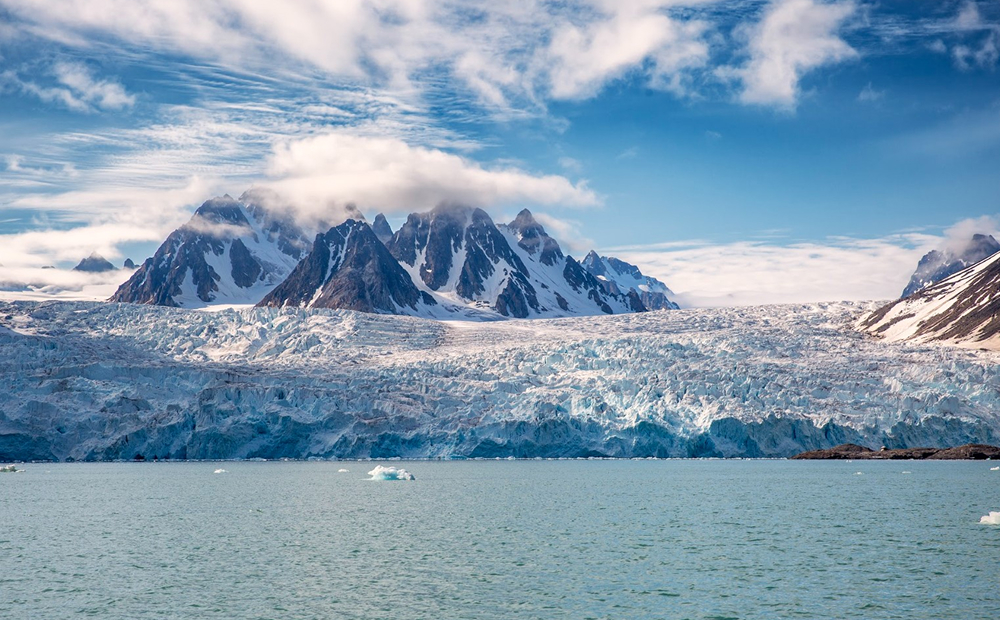
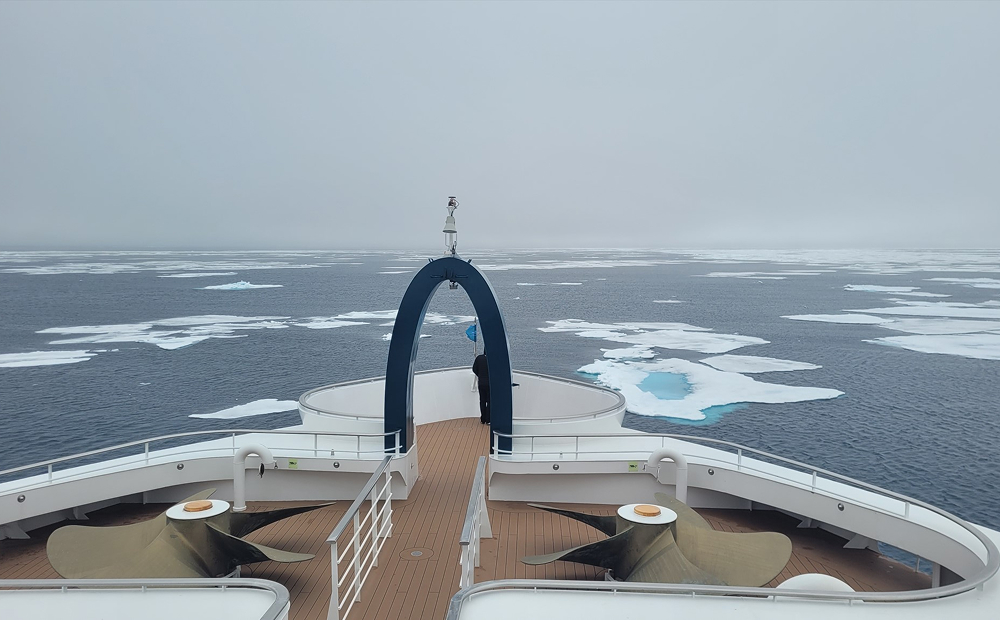
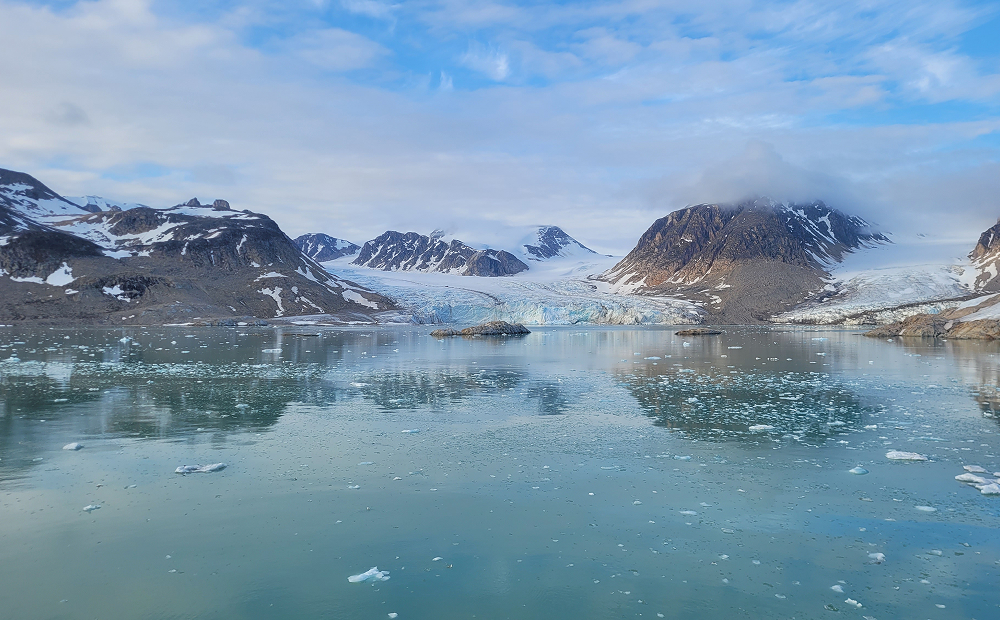
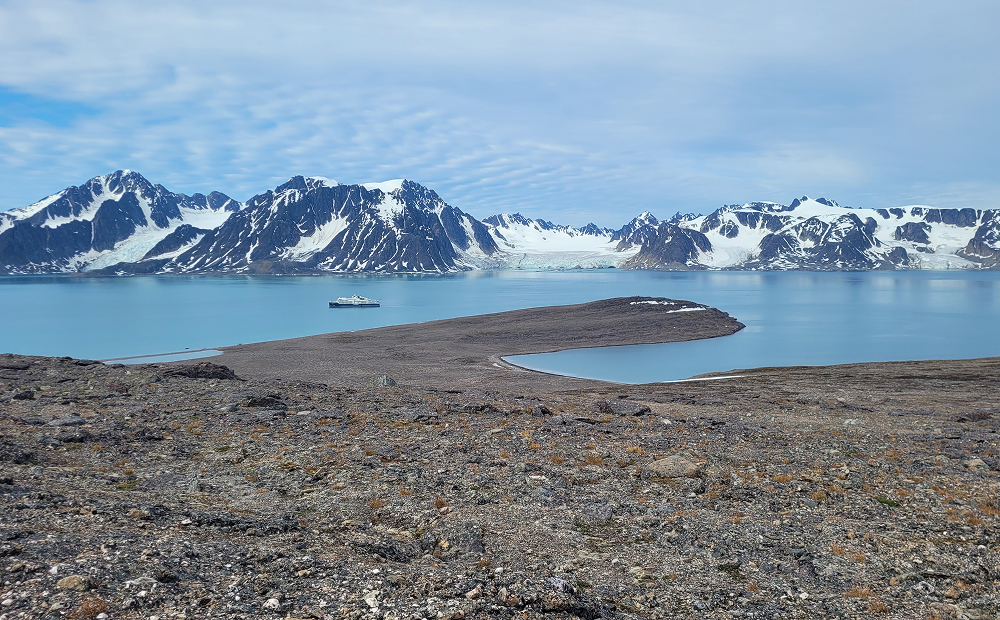
I have been on cruises before – it is my favourite kind of holiday. But the summer expedition with Swan Hellenic was an opportunity not only to “see the end of the Earth” with my own eyes, but also to discover a special type of travel – inspiring expedition cruises, where the focus is not just on leisure, but on deep immersion into the nature and culture of unexplored regions.
Amazing Facts About One of the Harshest Corners of the Planet
On the island of Spitsbergen, there is one main rule you cannot forget: you may only leave the settlements with a loaded rifle. This is due to the danger of encountering a polar bear. Warning signs about bears can be seen everywhere. Passengers of cruise ships are accompanied by armed bear guides – “polar bear guards.”
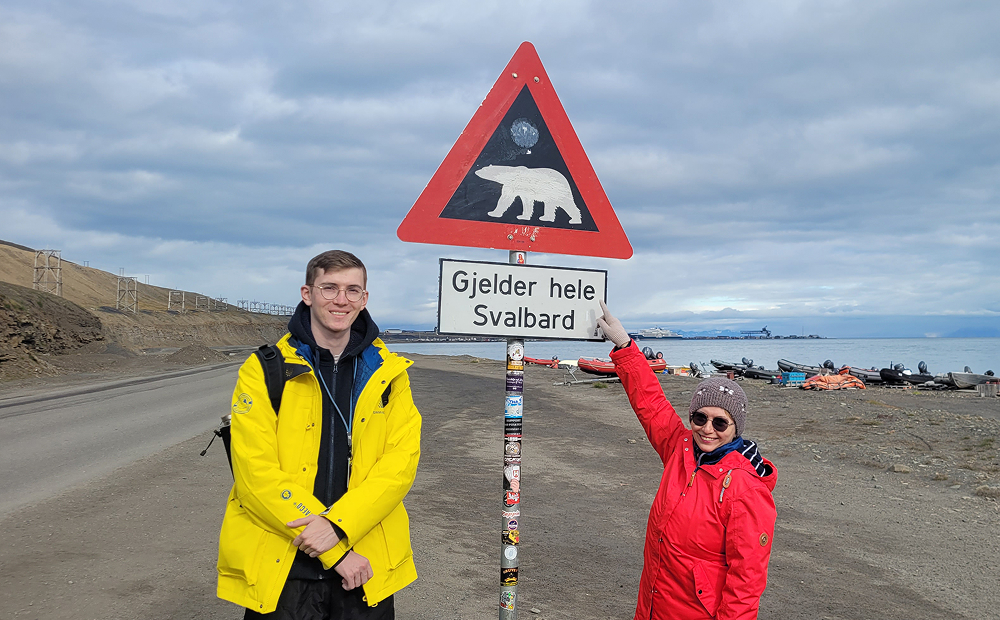
In the photo: a sign marking the border of Longyearbyen, the administrative centre of Spitsbergen island and of the entire archipelago, now known as Svalbard.
Another unique feature of life here is the light cycle. In summer, the Arctic is ruled by the polar day – the sun never dips below the horizon, and it feels as if the clock has stopped. It’s a strange yet fascinating sensation: you lose all sense of time and find yourself in a state of constant wakefulness and curiosity. I was so absorbed in everything around me that I hardly noticed how quickly I adapted to this unusual rhythm of day and night.
Photo below: I was walking from the Observation Lounge to my stateroom – it was time to go to bed according to the clock. Midnight. Yet the sun was shining brightly in a blue sky. I stepped outside the door to take this picture.
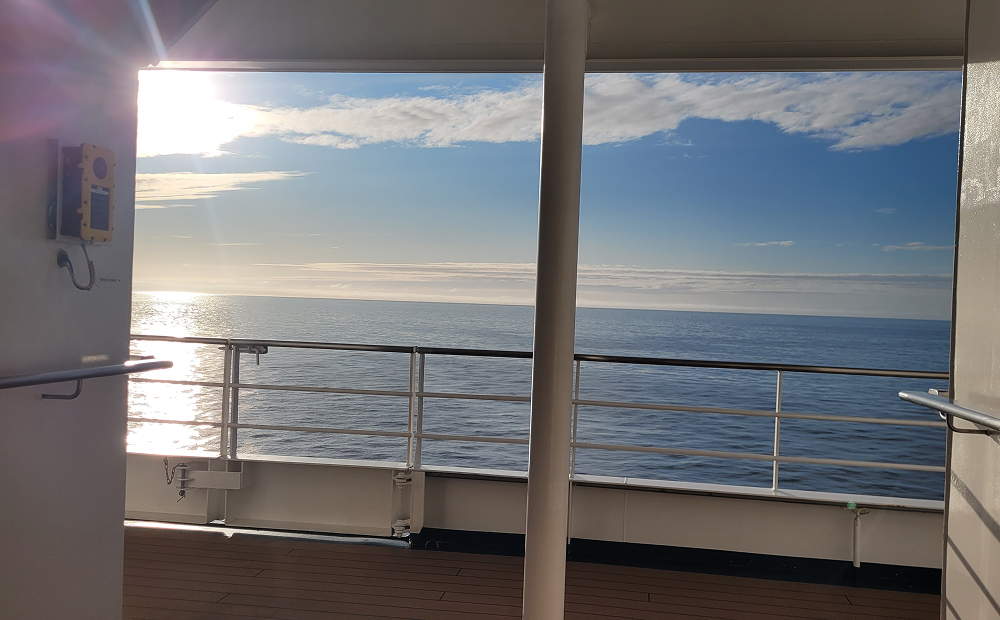
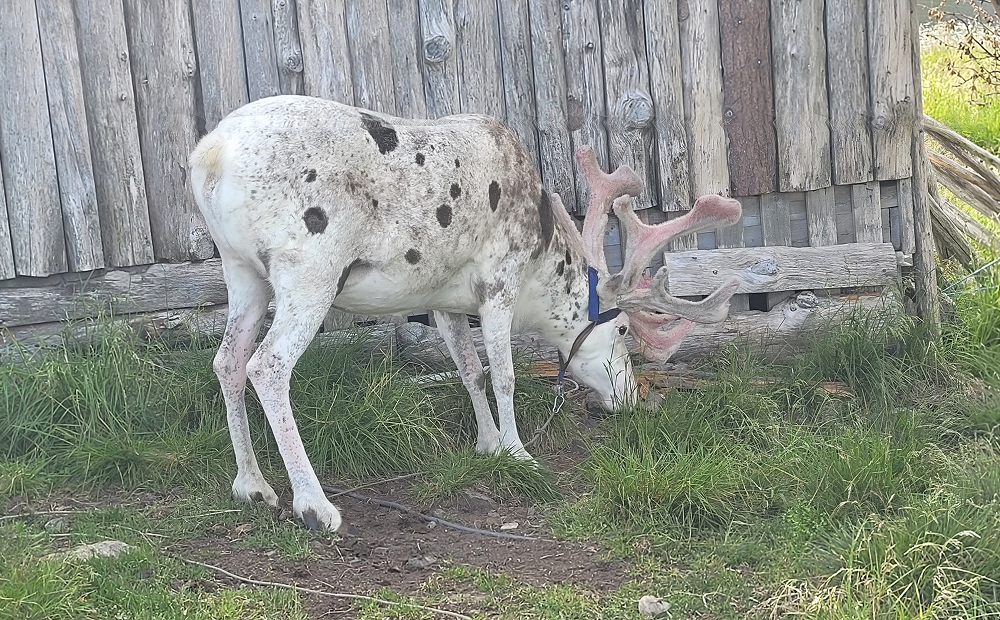
In summer here, the sun never sets below the horizon, while in winter, by contrast, months of darkness reign. These extremes create a remarkable balance of life: plants and animals have adapted to the harsh conditions. Polar bears, whales, walruses, and reindeer live in an environment where humans seem only temporary guests.
All the photos in this article are from our cruise, including those I took myself.
A Series of Articles and Interviews
It took me more than 100 working hours (after returning to Cyprus) to write the texts, select the photos, create this page on my website, and link all the interviews and articles. That is how my holiday goes. I do it gladly, looking forward to sharing this unique experience with you. I believe that – if you have the chance – you should definitely see the unique nature of the Arctic regions in person. Until then, at least take a look through my eyes.
In the following articles, I will tell you:
1. How expedition ships are organised, what the daily routine is like on board, who works there, what they do, and how to get a job on such a vessel. I interviewed the captain, the hotel director, the chief engineer, and members of the expedition team.
2. What makes the Arctic unique from the perspectives of geography, zoology, and history. How many people live on the island of Spitsbergen, why it is possible to live there but not die, and why the archipelago now has a different name, while the authorities are constantly tightening the rules of conduct on the islands.
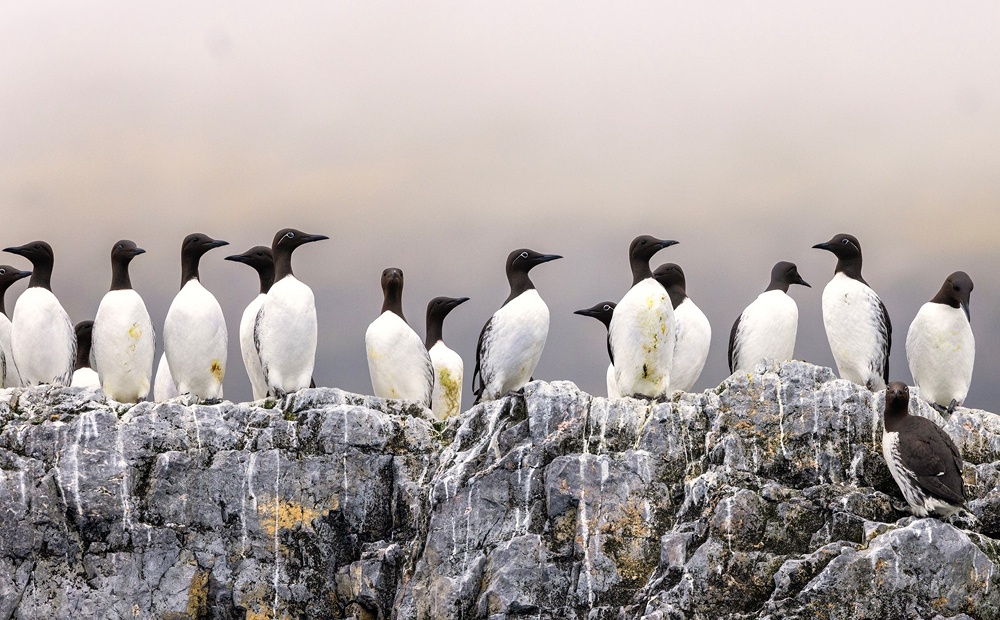
3. The special characteristics of polar birds (I will tell you how they survive in the cold and raise their young). I learned that there are birds which – due to their annual migration – travel over their lifetime a distance equal to three trips to the Moon and back. Can you imagine?!
4. And finally, I will share all the interviews with you. I met some extraordinary people! For example, can you picture someone who has spent 365 days in a hut on Spitsbergen, crossed Greenland on foot using a kite, walked hundreds of kilometres across a desert in Saudi Arabia making unique discoveries there, and is now planning to kayak over 3,000 kilometres solo along the coast of Oman? Well, I had the chance to ask him about all of these adventures. You will be able to read that interview in one of the upcoming days.
Natalia Kardash