

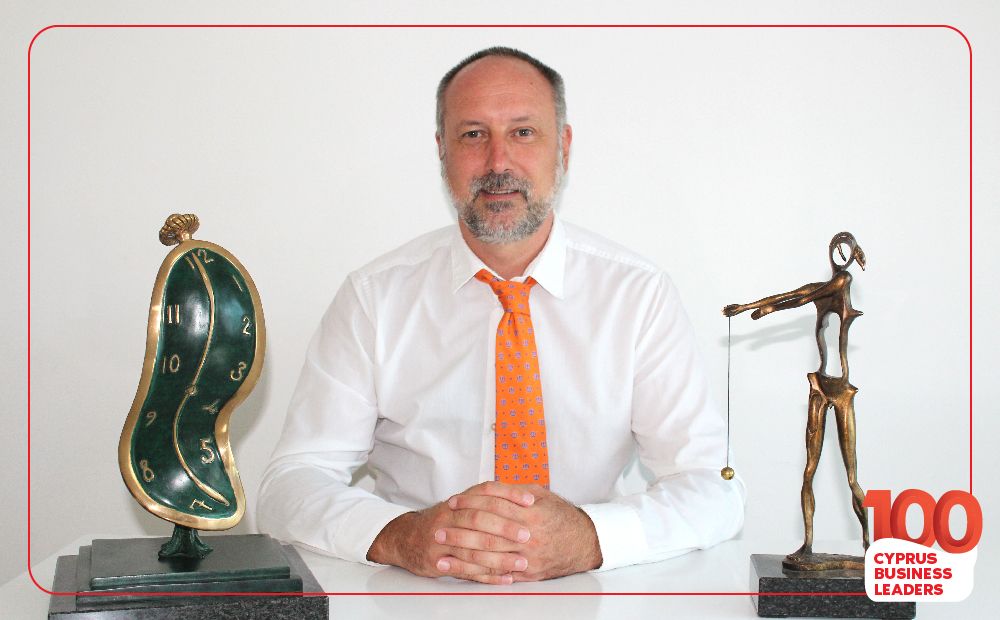
Massimo Martina is a collector and dealer of modern art. Leveraging his long experience as CFO of one of the most important collections of Salvador Dalí sculptures and limited editions, he personally selects the best artworks on the market. Now an independent art consultant and entrepreneur based in Cyprus, he connects galleries and collectors with exceptional pieces, building a career rooted in trust and long-term partnerships. In this conversation, he reflects on leadership, risk-taking and the value of beauty in shaping our lives and work.
Your journey from corporate finance into the art world is remarkable – what moment or thought made you realise it was time to take this leap?
It was not a single, defining moment but rather a natural evolution that led me from the corporate finance world into art. I studied management engineering, which is far removed from anything artistic. My first professional steps were in banking, where I worked in process analysis and later corporate lending. But I soon realised that the banking system felt too rigid for me. I craved a more dynamic environment, so I moved to a corporate finance boutique where we provided consultancy to various clients.
One of these clients happened to be the Dalí Universe group. We worked closely on a restructuring project, consolidating several separate entities into a unified holding structure. That process allowed me to get to know the organisation deeply, as well as its leadership. When the group offered me the position of CFO, it felt like a logical next step rather than a dramatic leap. At that stage, I was not consciously seeking a career in art – it unfolded naturally. What started as a financial role evolved into a connection with a completely new business world that fascinated me. Finally, when the group moved to another country, it was just natural to start my own business in the same field.
While shifting into a completely new industry, did you ever question your decision – and how did you work through any doubts?
Surprisingly, I did not have deep doubts about the decision. Of course, there are aspects of my previous life that I miss – the sense of structure, the camaraderie of working in larger teams, even simple moments like going out for drinks with colleagues. Working on my own now, I do not experience that same dynamic. However, I never truly regretted the shift.
It was a natural step forward, even if I had to leave behind some stability. I embraced the freedom of shaping my own path, especially as I moved from the finance and administrative side of the business to sales and entrepreneurial work. There are always trade-offs, but I felt ready to take ownership of my choices.
Over the years, which values have remained constant in your leadership – and which have evolved as you grew and adapted?
I have always believed in leading with respect and collaboration. In my earlier corporate roles, I tried to foster a cooperative environment, though sometimes the role required being more directive simply to move things forward. As I have grown, my leadership has become less about authority and more about persuasion.
Today, my projects involve partners, clients and suppliers who are not part of my organisation. I cannot simply impose a vision – I have to bring others along with me. This has taught me patience and the art of negotiation. In some ways, it is a more challenging form of leadership but also more rewarding because it relies on shared commitment rather than hierarchy.
What does leadership mean to you now – and how has your understanding of it changed with experience?
Leadership, for me, is about inspiring people to work together towards a goal, even when there is no formal authority to enforce it. Earlier in my career, I thought leadership was largely about setting direction and ensuring execution. Now I see it as building alignment, creating trust and enabling others to feel invested in the outcome.
If I were to return to a corporate setting, I know my style would be different. I would bring a more inclusive, consultative approach because I have learned that people commit more deeply to projects when they feel ownership of the process.
Can you recall a moment when you had to make a difficult decision that felt like a real risk – and what did it teach you about yourself?
Changing jobs has always carried a sense of risk. Leaving a secure position in a traditional bank to join a small corporate finance boutique was one such moment. It meant moving from a highly stable job into an entrepreneurial environment where I had to operate as a freelancer with no guarantees. At the same time, I had family responsibilities – my first child was on the way.
Later, in 2021, I made another bold decision to leave the Dalí Universe and start working on my own as an independent agent. It was a leap into the unknown, requiring me to learn a whole new skill set in sales and client relationship management. These decisions taught me that I am willing to embrace uncertainty if it means growing and pursuing work that excites me.
When stepping into a field where you were still learning, how did you gain the trust and respect of others around you?
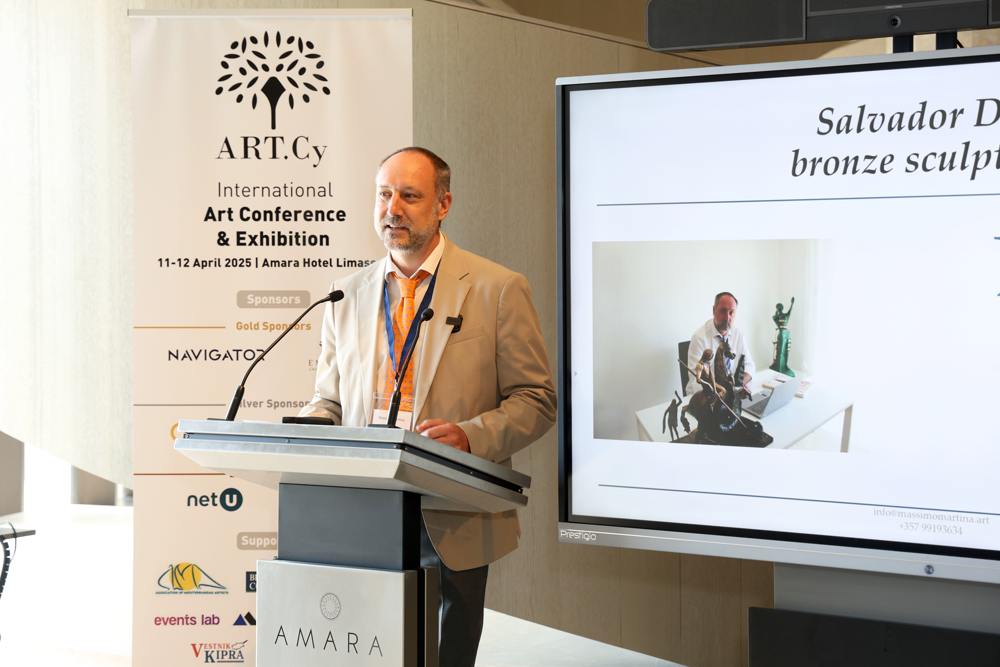
Building trust in a new field is a gradual process. In the art world, credibility is everything. There are many challenges – issues of authenticity, quality and pricing – and clients need to feel completely confident in the person they are working with.
My initial focus was on delivering consistent value and acting with integrity. I relied on the deep knowledge I had developed while working with the Dalí Universe for many years. Over time, my relationships with galleries and collectors strengthened because they saw that I was not seeking quick wins but building long-term partnerships. Trust comes from proving, time and again, that you have your clients’ best interests at heart.
As an entrepreneur, how do you balance creativity with the discipline required to keep a business strong?
My background in finance gives me a natural discipline in managing operations. I am comfortable with the administrative side of running a business, from compliance to anti-money laundering standards. In the art sector, these are especially important because of the high-value transactions involved.
Creativity was less innate to me, but years of working in this world have exposed me to inspiring ideas and projects. I have learned to think differently, to develop new concepts and partnerships. It is a balance – ensuring the business remains strong while allowing room for innovation and artistic expression.
How has your idea of success changed over time – and what makes a career truly meaningful for you today?
Success, in my view, has become less about status or financial security and more about the quality of relationships and the impact I can make. I take great satisfaction when a client sends me a photograph of an artwork in their home, telling me how much joy it brings them. That sense of having added value to someone’s life is incredibly rewarding.
At a fundamental level, being able to provide for my family is still important. But beyond that, I now see success as creating experiences and outcomes that enrich others, not just myself.
What role has trust and credibility played in building relationships with clients and partners in the art world?
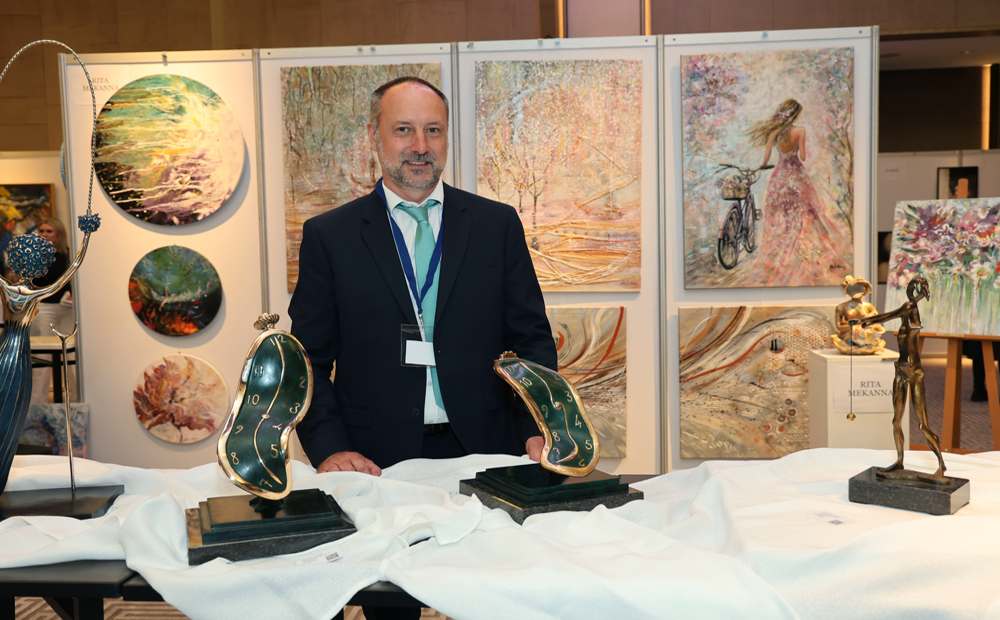
Trust is everything in this business. Art is a sector where reputations are fragile, and clients are often wary because of issues with counterfeits or inflated valuations. My approach has always been to build credibility through transparency and consistency. I want clients to feel confident returning to me for future needs, knowing that I prioritise their interests.
I view every interaction as an opportunity to build a lasting relationship rather than focusing on a single transaction. This long-term mindset has been crucial to my success.
If you could give three pieces of advice to your younger self at the start of your career, what would they be?
First, be patient. Early in my career, I was often impatient with slow processes and resistant to compromise. I have learned that change takes time and that patience is a strength.
Second, stay open to unexpected opportunities. Many of the most rewarding experiences in my career came from paths I had not planned.
Third, trust yourself more. It is natural to have doubts, but if you work hard and act with integrity, things tend to fall into place.
What are your aspirations for the future – is there a big dream or vision you are working towards?
I would love to help build stronger cultural bridges between Cyprus and other countries, particularly Italy and Switzerland, where I feel familiar with the artistic environment. There is so much potential to bring international artists here and to introduce Cypriot artists to audiences abroad. Art has a unique way of fostering dialogue and enriching communities.
Of course, such initiatives require significant resources and are often not financially driven. But the impact they can have on artists and society makes them worth pursuing.
What kind of legacy would you like to leave – not only through your work but in the way you’ve inspired and influenced others?
I hope to inspire people to appreciate the importance of beauty in their surroundings. Beauty is not about luxury but about caring for the spaces and objects that enrich our lives. Whether it is through a piece of art or the way a street or a building is maintained, these details influence how we feel and how we connect with the world.
There are scientific researches that proved that environment enriched by artworks and beauty improve not only the wellbeing of people, but also their productivity.
If I can encourage others to invest in what truly brings them joy – not for appearances, but for their own sense of well-being – that would be a legacy I would be proud of.
Interview by Kateryna Bila
#SB100Leaders